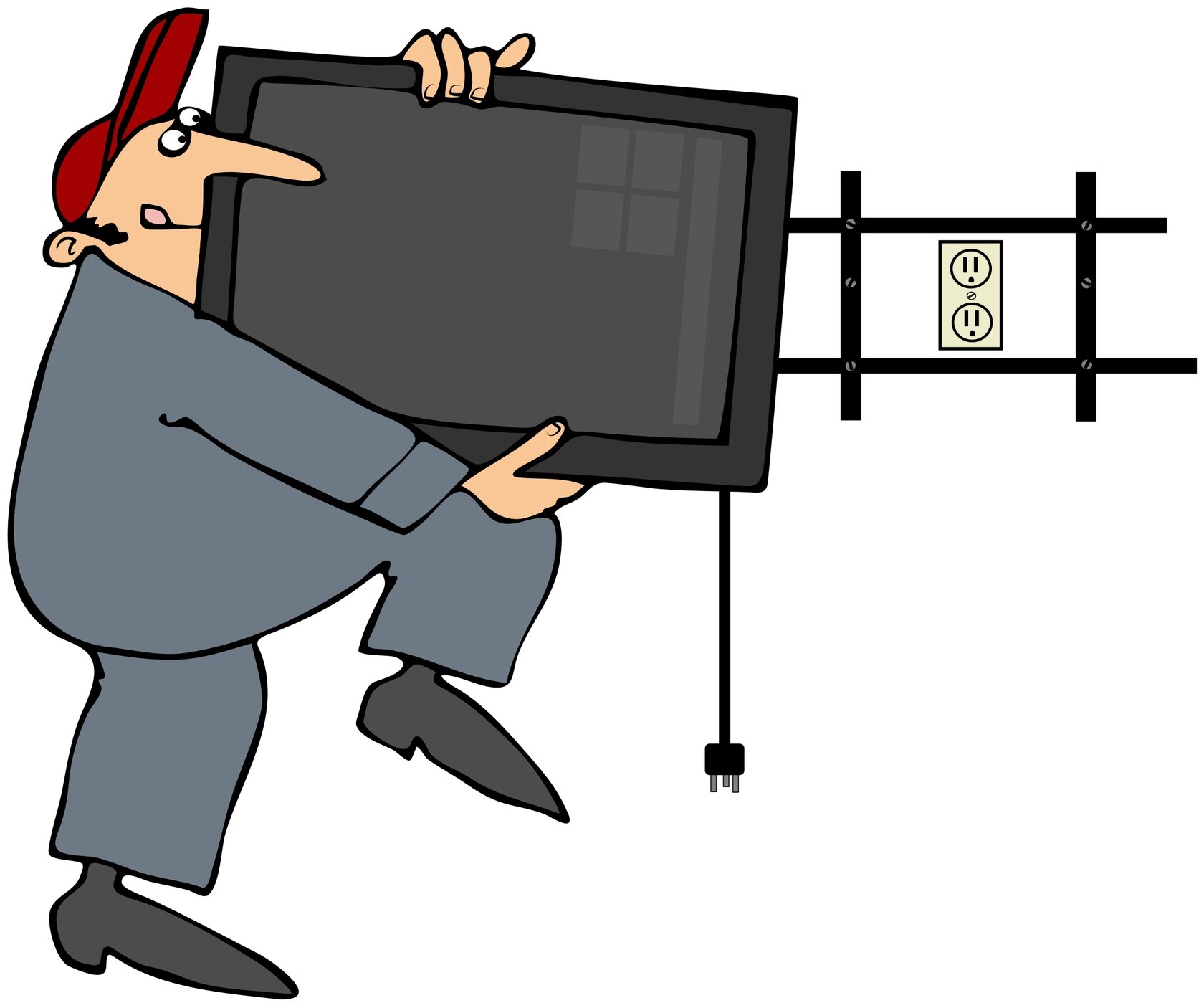
Can I Mount a TV Myself? This is a common question when planning a TV setup. DIY can be reasonable for someone who understands the wall structure, has the right tools and can safely handle the TV. Professional installation becomes more valuable as screen size, wall complexity, mount movement and cable work increase.
The decision is not just about labor cost. It also involves lifting the TV safely, correctly identifying the wall structure, choosing compatible hardware, leveling the mount and avoiding hidden utilities.
What to consider
- Your Experience And Tools: consider how it affects this particular TV, wall and room.
- Tv Size And Weight: consider how it affects this particular TV, wall and room.
- Wall Complexity: consider how it affects this particular TV, wall and room.
- Risk, Time And Desired Finish: consider how it affects this particular TV, wall and room.
Plan the installation before drilling
Confirm the television model, weight, VESA pattern and mounting hardware first. Then identify the intended viewing position and the wall or structural attachment points. If the screen is large or the mount articulates away from the wall, the installation can place substantially more leverage on the attachment points than a small fixed screen.
Also decide how power and signal cables will reach the TV. If an in-wall cable route is being considered, the wall must be evaluated separately; do not assume that every cable or power cord can simply be placed inside a wall.
When a DIY installation is relatively straightforward
A smaller TV on a simple fixed or tilting mount is the most manageable DIY scenario when the wall structure is known, the bracket is compatible, and two people can safely lift and position the television. The job becomes less forgiving when the screen is large, the mount extends away from the wall, the wall material is uncertain, or the TV must be centered precisely over a fireplace or other architectural feature.
Common reasons a mounting job becomes more complicated
- Wall structure: drywall, plaster, masonry, tile, metal studs and decorative wall finishes require different planning.
- Large or awkward screens: lifting and aligning a large TV can be the most difficult part of the job even when the bracket is already installed.
- Full-motion mounts: an articulating arm creates more leverage on the wall attachment points than a low-profile fixed mount.
- Existing hardware: a wall bracket can sometimes be reused for a replacement TV, but only after compatibility, condition and load rating are confirmed.
- Cable and accessory work: soundbars, source devices and cable concealment can turn a basic mounting job into a more involved installation.
When professional installation makes sense
Professional help is particularly useful when the TV is large or difficult to lift, the wall construction is uncertain, the mount has a long extension, the installation is above a fireplace, or cable concealment and accessory mounting are part of the project. A technician can evaluate the actual installation conditions rather than relying only on general online guidance.
TV Installation Pros
Need help with your installation?
Call or text with the TV size, city, wall type if known, and the type of mount or cable work you are considering.
Call (831) 296-4343