
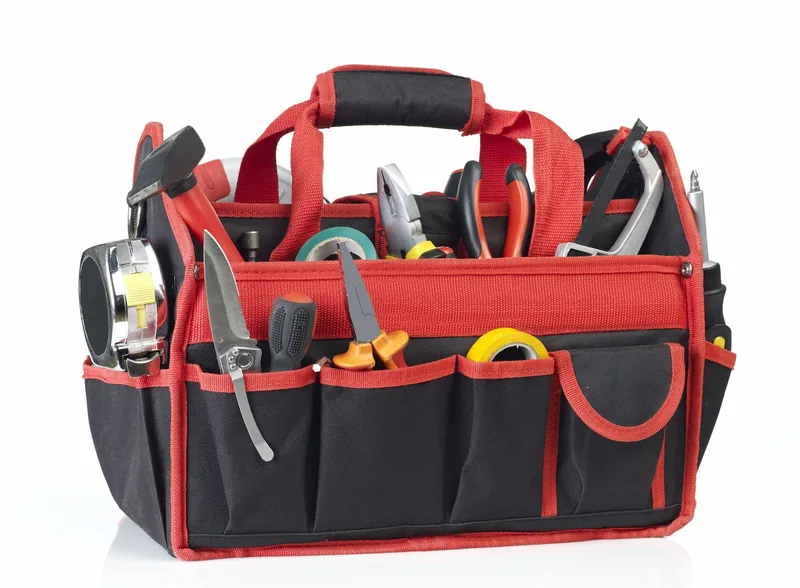
Let the manuals determine the kit
The required tools depend on the bracket and supporting construction. Read the TV and mount instructions before buying tools or drilling. A generic kit cannot specify the correct bit size or fastening method for every wall.
Measurement and layout
A tape measure, level, pencil and the manufacturer's template help transfer the chosen position to the wall. Removable tape can outline the TV so you can test the viewing height first. Measure the TV's mounting-hole offset; the wall plate does not necessarily align with the screen center.
Detection and assessment
A suitable stud finder or detector can help investigate the wall, but it does not guarantee that every pipe or cable is absent. Verify readings and understand the limitations of the tool on plaster, lath, foil-backed materials and other unusual finishes.
Drilling and fastening
Use the drill, bits, sockets and drivers specified for the fastening system and substrate. Pilot-hole size, depth and tightening requirements come from the instructions. A masonry bit and hammer action should not be applied indiscriminately to decorative tile or an unknown wall assembly.
Handling and finishing
Prepare a clear, stable work area and enough people or suitable equipment to lift the television as directed. Keep small parts organized and protect the screen according to the manufacturer. Cable ties or approved cable-management accessories can tidy the finished installation without putting tension on connectors.
If the missing item is knowledge of the wall structure, buying more tools will not automatically resolve it. Have the installation assessed before making holes. See our DIY assessment for situations where professional help is useful.